

When it comes to weight loss, most people think about trimming their waistline, toning their arms, or sculpting their legs. But what about your feet? If you’ve ever wondered “Can you lose weight in your feet?”, you’re not alone. Many people notice changes in their shoe size, foot comfort, and arch health when they lose or gain weight. In this detailed guide, we’ll explore how foot fat works, whether targeted foot weight loss is possible, and what you can do to make your feet feel lighter, healthier, and more comfortable.
Understanding How Weight is Distributed in the Feet
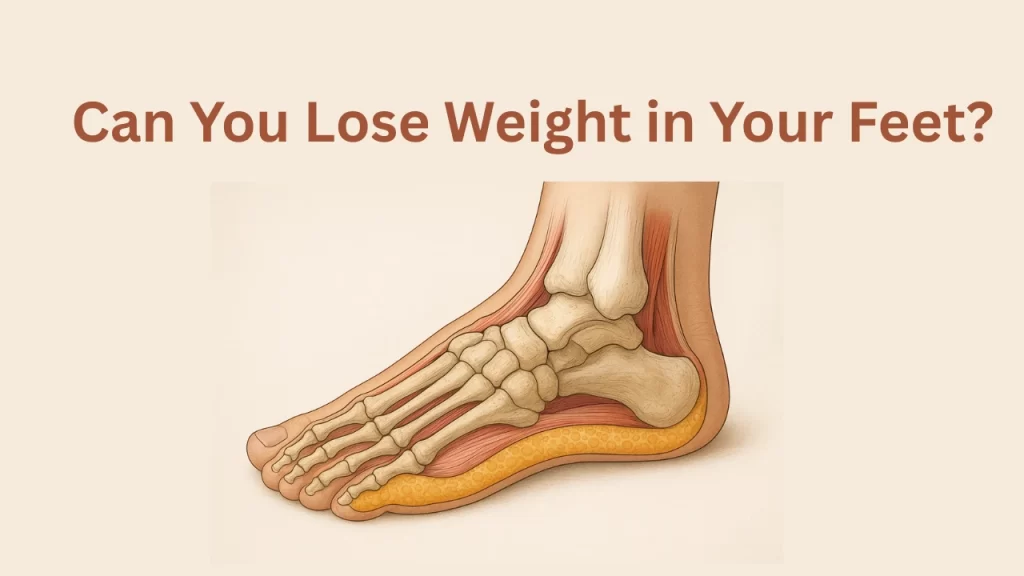
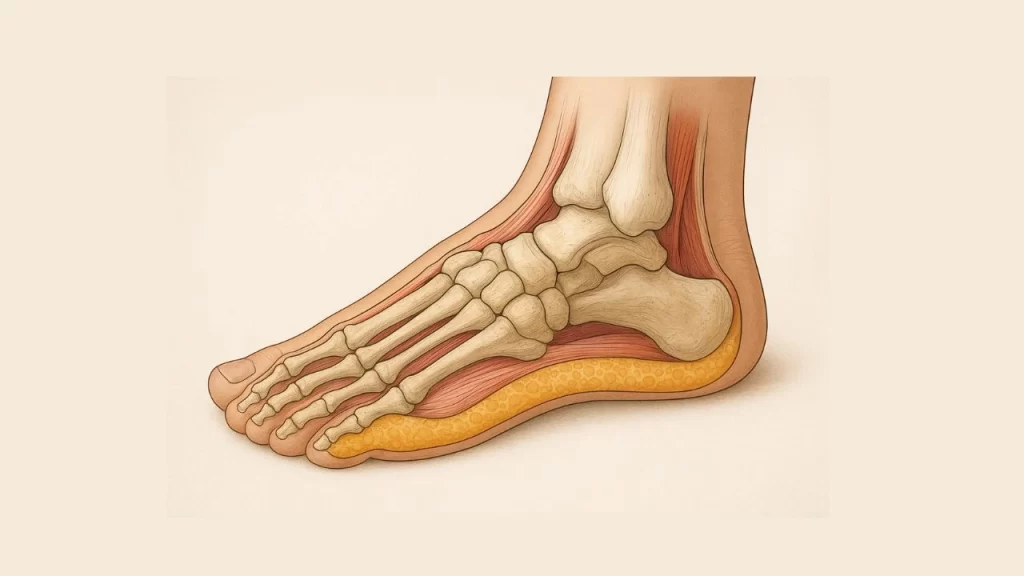
Your feet are complex structures made up of bones, muscles, ligaments, tendons, and fat pads that cushion your steps. When you gain weight, extra fat can accumulate in the feet—especially around the toes and arches—causing them to appear fuller. This extra load also affects foot shape and function, leading to issues like swelling, plantar fasciitis, and joint pain.
However, unlike areas like the stomach or thighs, foot fat is usually minimal and serves a protective purpose. This means that while you can lose weight in your feet, it’s not as dramatic as other body parts, and you can’t specifically target just the feet for fat loss.
Can You Actually Lose Weight in Your Feet?
The short answer: Yes, but not directly.
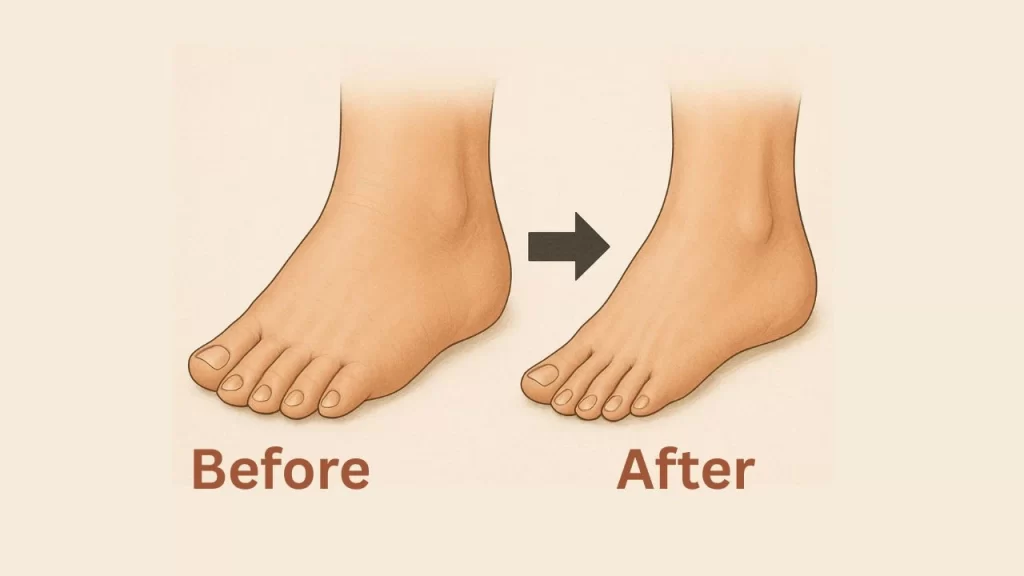
When you lose overall body fat through diet, exercise, and lifestyle changes, your feet can become slimmer. Some people even drop a shoe size after significant weight loss. But there’s no magic exercise that burns fat exclusively in the feet—weight loss here happens as part of your body’s overall fat reduction process.
In fact, research suggests that losing as little as 10–15 pounds can noticeably reduce foot pressure and pain, making walking and standing easier.
Benefits of Losing Weight in Your Feet
Reducing excess weight in your feet doesn’t just change appearance—it improves comfort, mobility, and long-term health. Some benefits include:
- Less Foot Pain – Lower weight means reduced strain on arches, heels, and toes.
- Better Balance and Stability – Lighter feet can improve your posture and walking gait.
- Reduced Swelling – Weight loss improves circulation, helping minimise foot and ankle swelling.
- Improved Shoe Fit – A drop in foot volume can make shoes more comfortable.
- Lower Risk of Foot Conditions – Conditions like bunions, corns, and plantar fasciitis are less likely to worsen.

How to Lose Weight in Your Feet Naturally
While you can’t spot-reduce fat in your feet, these strategies can help you achieve overall weight loss and keep your feet healthy:
1. Focus on Whole-Body Fat Loss
Adopt a calorie-controlled, nutrient-rich diet to reduce body fat percentage. Include lean proteins, healthy fats, and fibre-rich carbs to support fat loss while maintaining energy.
2. Incorporate Low-Impact Cardio
Walking, cycling, and swimming are great ways to burn calories while being gentle on your feet. Low-impact exercises reduce strain on joints and help with fat burning.
3. Strengthen Foot Muscles
Stronger feet burn more energy during movement and stay healthier. Try toe curls, heel raises, and arch stretches to improve circulation and stability.
4. Stay Hydrated
Drinking enough water helps prevent water retention in your feet, which can make them appear swollen.
5. Wear Supportive Shoes
Proper footwear supports weight loss efforts by reducing injury risk and improving walking comfort.
Myths About Losing Weight in Your Feet
There’s plenty of misinformation about foot fat loss. Let’s clear up a few myths:
- Myth 1: Foot-specific exercises will burn foot fat.
Truth: They strengthen muscles but don’t directly burn fat in that area. - Myth 2: Losing weight in your feet happens overnight.
Truth: It’s a gradual process tied to your total weight loss. - Myth 3: Everyone loses the same amount of fat in their feet.
Truth: Genetics and body composition determine where you lose fat first.
When to See a Podiatrist or Doctor
If you experience chronic foot pain, swelling, or sudden changes in foot size, it’s wise to seek medical advice. These symptoms can sometimes indicate underlying conditions unrelated to weight, such as arthritis, fluid retention, or nerve issues.
Conclusion: Healthy Feet Come from a Healthy Body
So, can you lose weight in your feet? Yes—but it happens as part of your overall body fat loss. While you can’t directly target fat in your feet, adopting a balanced diet, regular exercise, and proper foot care will naturally make them slimmer, healthier, and more comfortable.
Remember, healthy feet are essential for an active lifestyle, so take care of them just as you would your heart, muscles, or skin.